The Most Common Questions About Dental Implants in Bakersfield CA

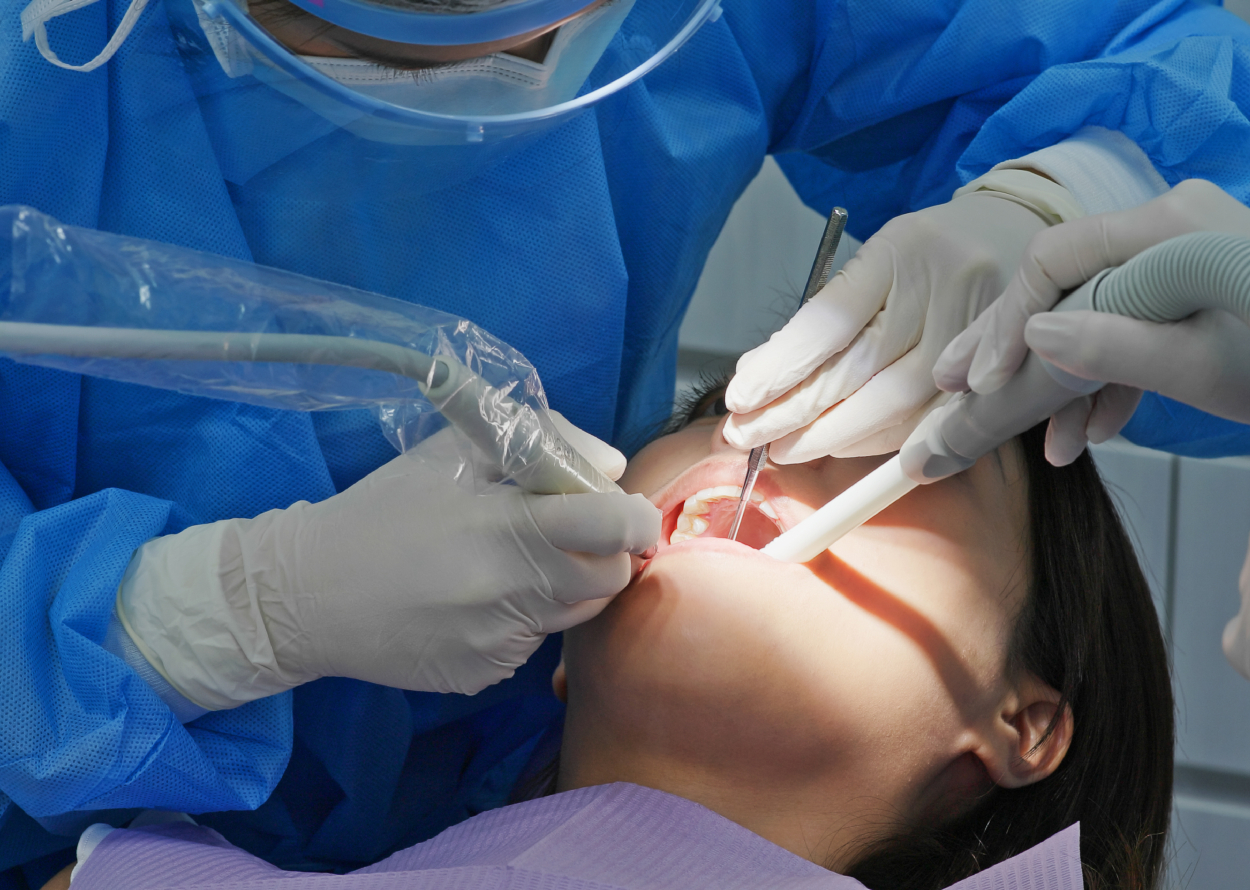
Missing teeth change more than a smile. They affect chewing, speech, confidence, and often the health of the surrounding teeth and gums. In a place like Bakersfield, where many patients juggle demanding work schedules, family obligations, and long overdue dental care, questions about implants tend to come up for practical reasons. People want to know whether implants hurt, how long they last, what they cost, and whether they are worth the effort.
Those are fair questions. Dental implants are not a casual purchase, and they are not the right answer for every patient. But when the case is chosen carefully and the treatment is done well, implants can be one of the most stable and natural-feeling ways to replace missing teeth. For many adults, they restore the sense that the tooth is simply back where it belongs.
If you have been researching Dental Implants Bakersfield CA, or you have a consultation coming up, it helps to understand what dentists are really assessing and what patients usually wish they had asked sooner.
What exactly is a dental implant?
A dental implant is a small post, usually made of titanium, that is placed into the jawbone where the tooth root used to be. Over time, the bone heals around it in a process called osseointegration. Once that bond is stable, the implant can support a crown, a bridge, or even a full arch of replacement teeth.
This is why implants feel different from a removable denture or a traditional bridge. They are anchored in the bone, not just sitting on the gums or relying on neighboring teeth for support. That changes the chewing experience in a meaningful way. Many patients describe it as the difference between balancing on something and standing firmly on it.
The implant itself is not the visible tooth. That point causes confusion all the time. The visible part is the crown or prosthetic that attaches to the implant after the site has healed and the dentist is confident the implant is stable.
Am I a good candidate for dental implants?
Most healthy adults can at least be evaluated for implants, but candidacy is more nuanced than many online ads suggest. The dentist is looking at bone quantity, bone quality, gum health, bite forces, medical history, tobacco use, and how well the patient is likely to maintain the result.
There is a common misconception that if you were told years ago you did not qualify, that answer is permanent. It often is not. Bone grafting, sinus lifts in upper back areas, and improvements in periodontal care have expanded treatment options for many people. Someone who was not a candidate at 40 might be a candidate at 55 after a more thorough workup and a staged plan.
A few of the biggest factors usually include:
- healthy gums or a plan to get gum disease under control
- enough jawbone to support the implant, or the ability to build that area with grafting
- medical conditions that are reasonably stable, such as controlled diabetes
- commitment to home care and regular maintenance visits
- realistic expectations about timing, healing, and cost
Age by itself is rarely the deciding issue. I have seen older adults do beautifully with implants because they were meticulous with care and followed instructions well. On the other hand, younger patients with heavy grinding, poor hygiene, or untreated gum disease may be poor candidates until those issues are addressed.
Does getting an implant hurt?
This is usually the first question out of a patient’s mouth, and understandably so.
The procedure itself is often easier than patients expect. Most implant placements are done with local anesthetic, the same type of numbing used for fillings or extractions. Some practices also offer oral sedation or IV sedation, depending on the complexity of the case and the patient’s anxiety level. During the procedure, patients typically feel pressure and vibration, not sharp pain.
The first few days afterward tend to be more of a soreness issue than a severe pain issue. The discomfort is often compared to a tooth extraction, sometimes milder, sometimes a bit more noticeable if bone grafting was involved. Swelling, bruising, and tenderness can happen, especially in the first 48 to 72 hours.
What surprises many people is that the anticipation is often worse than the recovery. Patients who put the procedure off for years sometimes say afterward, “If I had known it would go like that, I would have done it sooner.” That is not universal, but it is common enough to mention.
Of course, there are exceptions. If the surgery is extensive, if several implants are placed at once, or if the site was infected beforehand, recovery can be more uncomfortable. The right expectation is not “no pain.” It is manageable discomfort with a recovery plan that is clearly explained.
How long does the whole process take?
This is where a lot of online summaries oversimplify reality. Dental implants are rarely a one-visit start-to-finish treatment.
If the tooth has already been missing for a while and the bone is in good shape, treatment may move fairly efficiently. In a straightforward case, the implant is placed, the site heals for a few months, and then the final crown is attached. That healing period often falls somewhere around three to six months, https://ezlocal.com/ca/bakersfield/dentists/0914338819 though timing varies.
If the tooth needs to be extracted first, the timeline may be longer. Sometimes an implant can be placed immediately after extraction. Sometimes it cannot, especially if there is active infection, bone loss, or poor soft tissue conditions. In those cases, the area may need to heal first, or it may need grafting before implant placement.
A full treatment plan can range from a few months to most of a year. Full mouth cases, sinus lifts, larger grafts, or medical factors can push treatment longer. That may sound frustrating, but there is a reason for the pace. Implants do best when biology is respected. Rushing the process tends to create more trouble than it saves.
How long do dental implants last?
This question deserves an honest answer rather than a sales answer.
Dental implants can last many years, and many do remain functional for decades. But no dentist can responsibly promise that an implant will last forever. Success depends on the quality of the surgery, the design of the restoration, the patient’s bite, oral hygiene, smoking status, overall health, and regular maintenance.
The implant itself and the crown on top of it do not always age the same way. The implant post may remain stable for a very long time, while the crown may eventually need replacement because of wear, chipping, changes in the bite, or normal aging of dental materials. That is not necessarily a failure. It is more like replacing tires while the car itself is still solid.
Patients who grind their teeth at night are in a different category. I have seen beautiful restorations damaged by untreated clenching and grinding. In Bakersfield, where stress, shift work, and dry climate conditions can all play into oral habits and comfort, this matters more than people think. A night guard can make a significant difference in protecting implants and natural teeth alike.
Are implants better than bridges or dentures?
Sometimes yes, sometimes no. “Better” depends on what problem you are trying to solve.
If a patient is missing one tooth and the adjacent teeth are healthy, an implant often has a major advantage over a traditional bridge because it does not require shaving down those neighboring teeth. Preserving healthy tooth structure is a serious benefit.
If someone is missing several teeth, implants may support a bridge and create a stable chewing platform that feels much more natural than a removable partial. If a patient has a complete denture that slips, lifts, or causes sore spots, implant support can dramatically improve function and confidence.
Still, there are trade-offs. Bridges can be faster. Dentures can be less expensive up front. Some patients are not ready for surgery, do not have enough bone without extensive grafting, or simply prefer a removable option. Others have financial priorities that make a staged plan more realistic.
A thoughtful dentist should explain why one option fits better than another in your specific mouth, not just declare implants superior in every case.
What do dental implants cost in Bakersfield CA?
This is one of the most searched questions around Dental Implants Bakersfield CA, and it is also one of the hardest to answer with a single number. Costs vary based on the number of implants, the need for extractions, bone grafting, sinus procedures, sedation, imaging, temporary teeth, and the type of final restoration.
A single implant case generally includes several components: the evaluation, 3D imaging in many offices, surgical placement of the implant, possible grafting, the abutment, and the crown. A full arch case involves an entirely different level of planning, materials, and surgical complexity.
That is why price quotes online can be misleading. One office may advertise a low figure that refers only to the implant post itself, while another quote includes the full treatment from surgery through the final crown. Those are not apples-to-apples comparisons.
It is reasonable to ask for a written breakdown and to clarify what is included. Patients should also ask whether the estimate covers temporaries, follow-up visits, and possible adjunctive procedures if bone quality is not ideal. The cheapest quote is not always the most affordable in the long run if it leaves out critical pieces or leads to a poorly planned result.
Insurance coverage varies widely. Some dental plans contribute toward parts of treatment, especially crowns, extractions, or imaging, while others exclude implants entirely. Medical insurance may occasionally play a role in rare reconstructive situations, but that is not the norm. Financing is common, and many offices in Bakersfield offer phased treatment plans when possible.
What happens if I do not have enough bone?
This is a very common issue, especially if the tooth has been missing for a long time. Once a tooth is lost, the bone in that area often begins to shrink because it is no longer being stimulated by the root during chewing. Dentures can accelerate some of that resorption over time, especially in the lower jaw.
Lack of bone does not automatically rule out implants. It means the site needs a closer look. A 3D scan helps the dentist or specialist assess the height, width, and shape of the bone, as well as the location of nerves and sinuses.
In some cases, a small graft at the time of extraction helps preserve the site. In others, a more involved graft is needed later to rebuild the ridge. Upper back teeth are a classic example, where the sinus may limit available bone and a sinus lift may be recommended.
Patients often hear “bone graft” and imagine something extreme. Sometimes it is extensive, but often it is a fairly routine adjunctive procedure. The important point is that the plan should match the anatomy, not the other way around.
Is there a risk of implant failure?
Yes. Good implant dentistry includes acknowledging that possibility upfront.
Implants have high success rates when cases are selected carefully, but failure can happen. Sometimes the implant never fully integrates with the bone during early healing. Sometimes it integrates at first and then develops problems later due to infection, overload, gum disease, or poor maintenance.
Smoking increases risk. Uncontrolled diabetes can increase risk. Severe grinding can increase risk. A history of periodontal disease deserves special attention, not because implants are impossible in those patients, but because the same habits and bacterial environment that damaged natural teeth can threaten implants too.
Early failure and late failure are different. Early failure usually relates to healing and integration. Late failure is more often tied to biomechanical stress or peri-implant disease, which is inflammation and bone loss around the implant.
This is one reason regular maintenance matters so much. An implant is not vulnerable to cavities, but it is absolutely vulnerable to inflammation if plaque control is poor.
How do I care for an implant?
One of the odd myths about implants is that they are “maintenance-free.” They are not. They may be easier to live with than a removable appliance, but they still require daily care and professional monitoring.
The home care routine usually involves:
- brushing thoroughly twice a day, especially along the gumline
- cleaning between teeth or implants with floss, threaders, or small proxy brushes recommended by the office
- attending regular hygiene and exam visits so the tissues and bite can be checked
- wearing a night guard if grinding or clenching is part of the picture
- reporting bleeding, looseness, bad taste, or soreness early rather than waiting months
Some patients actually need more attentive hygiene around implants than they did around natural teeth, particularly in bridge or full-arch cases where the contours create areas that trap plaque. The office should show you exactly how to clean your specific restoration, because the right tools differ from case to case.
Can I get an implant the same day my tooth is removed?
Sometimes, yes. Immediate implant placement can be an excellent option in the right circumstances. It can reduce treatment time, preserve tissue contours, and spare the patient an extra surgery.
But “same day” is not always wise. If the extraction site has significant infection, if the socket walls are damaged, if the bone is too thin, or if the bite would place too much pressure on the area, delaying placement may be safer. The more front-and-center the tooth is in the smile, the more careful planning matters for esthetics.
There is also a difference between placing the implant the same day and loading it with a visible tooth right away. Immediate temporary teeth are possible in some cases, but they have to be protected during healing. Patients sometimes assume that if they leave with something that looks like a tooth, they can use it like a normal tooth right away. That is not always true.
Who places dental implants, a general dentist or a specialist?
Both can, depending on training and comfort level.
Some general dentists have extensive implant training and place implants routinely. Others prefer to refer the surgical phase to an oral surgeon or periodontist and then restore the implant with the final crown themselves. Prosthodontists may also be involved, especially in complex reconstructive cases.
The better question is not the letters after the name. It is whether the clinician has experience with cases like yours, uses appropriate imaging and planning, understands bite design, and has a clear system for follow-up and maintenance. For full-arch cases, severe bone loss, or highly cosmetic front tooth situations, the value of an experienced team becomes even more important.
Patients should feel comfortable asking how often the provider performs this type of treatment and what the plan is if something does not heal as expected. A confident, ethical clinician will not be offended by those questions.
Are implants safe?
When proper diagnosis and planning are done, implants are considered a well-established and generally safe treatment. That said, “safe” never means risk-free. Surgery in the upper and lower jaws requires awareness of sinus anatomy, nerves, bone contours, and bite relationships.
This is where technology helps, especially 3D imaging and guided planning in selected cases. Good planning reduces guesswork. It does not replace judgment, but it supports it.
Patients should also disclose their full medical history. Certain medications, especially some that affect bone metabolism, may influence treatment planning. Past radiation therapy, autoimmune conditions, and immune suppression may also affect healing and risk. These do not always rule out implants, but they do change how carefully the case should be approached.
What about smokers and patients with diabetes?
These two groups ask some of the most important questions, and they should.
Smoking affects blood flow and healing. It is associated with higher complication rates, more inflammation, and greater risk of implant problems over time. That does not mean every smoker will fail, but it does mean expectations should be realistic. Reducing or stopping tobacco use around the time of surgery is strongly advisable, and long-term cessation is better still.
Diabetes is similar in the sense that control matters. Well-controlled diabetes is very different from poorly controlled diabetes. Patients with stable blood sugar can often receive implants successfully, while uncontrolled diabetes can complicate healing and infection risk.
The honest conversation here is not about perfection. It is about risk management. If a patient is willing to improve the factors they can control, the outlook often improves significantly.
How do I choose the right office in Bakersfield?
Bakersfield has no shortage of dental offices, and implant marketing can blur the difference between routine care and advanced surgical planning. A polished website is not the same thing as a careful diagnosis.
Look for an office that takes time with the examination, reviews imaging with you, explains alternatives, and discusses timing without pressure. If every question about risk gets brushed aside with an easy promise, that is not reassuring. Good implant treatment includes clarity, not salesmanship.
It also helps to notice how the office handles maintenance and follow-up. Implants are not just placed and forgotten. The best long-term results usually come from practices that think beyond the surgery day and build a care plan around the restoration’s full lifespan.
The question behind all the other questions
Many patients ask about pain, price, and timing when what they really mean is, “Will this work for me, and will I regret not doing it sooner?” That is the real question underneath most implant consultations.
For the right patient, implants can restore function in a way that feels remarkably close to having a natural tooth again. Meals get easier. Speech feels steadier. Smiling stops feeling like a performance. Those gains are not cosmetic fluff, they affect daily life in small repeated ways that add up.
At the same time, implants deserve respect. They are not magic, and they are not one-size-fits-all. The best outcomes come from solid diagnosis, precise treatment, good materials, and a patient who understands that long-term success depends on maintenance as much as placement.
If you are exploring Dental Implants Bakersfield CA, ask detailed questions and expect detailed answers. The right consultation should leave you better informed, not simply more persuaded. That is usually the clearest sign you are in the right hands.
Smyle Dental Bakersfield
2016 E St, Bakersfield, CA 93301, United States
+16614939040
FAQ About Dental Implants Bakersfield CA
What is the downside of a dental implant?
The main downsides of dental implants involve high financial costs, surgical risks, a lengthy healing process, and the potential for long-term complications.
How much does a full set of implants usually cost?
A full set of dental implants (covering both the upper and lower arches) typically ranges from $6,000 to $90,000+, depending heavily on the type of treatment, materials used, and whether the teeth are fixed or removable.
Can I have all my teeth pulled and get implants?
Yes, you can have all your teeth pulled and replaced with dental implants. Instead of placing a separate implant for every single tooth (which is costly and time-consuming), dentists typically use full-arch systems.